Where science becomes a window. Belgian-engineered aluminium window and door systems — now in Nepal.
Thermal insulation is calculated. Acoustic comfort is measured. Structural strength is proven.
A system window is not just aluminium and glass. GREFET aluminium windows and doors in Nepal
Every GREFET profile is engineered to control heat. Every seal is designed to block noise. Every joint is tested against wind, water and time. What reaches your building is not a decorated frame — it is a performance system that has been designed, tested and perfected long before it is installed.
GREFET builds aluminium window and door systems on advanced Belgian technology: precision-drawn profiles in virgin 6063-T6 alloy, engineered hardware, and multi-stage sealing that works as one assembly rather than a collection of parts. The range runs from minimal, near-frameless sliders for premium residences to economical casement systems for volume projects — so the same engineering standard is available at every scale of build.
The purpose behind the brand is straightforward: elevate spaces through superior aesthetics, energy efficiency and security, while keeping genuine innovation accessible for projects of every size.
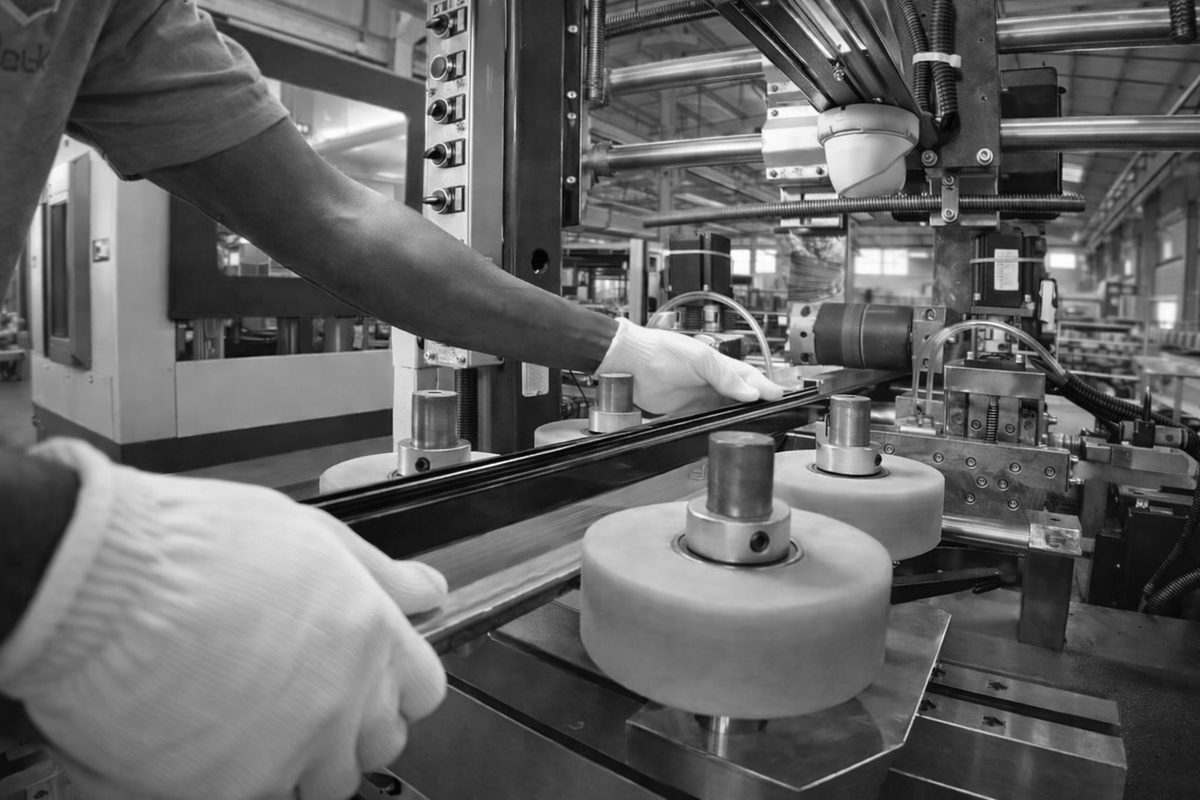
This is not decoration. This is performance. Designed. Tested. Perfected.
Thermal insulation is
Calculated
Uw values engineered from 2.9 W/m²K, so interiors hold their temperature and heating and cooling loads fall.
Acoustic comfort is
Measured
Configurations tested to deliver 37 dB to 52 dB of noise reduction — traffic, construction and street noise stay outside.
Structural strength is
Proven
Wind, water and air performance certified to BS EN 12210, BS EN 1027 and BS EN 1026 classifications.
Because when science leads the design, comfort follows naturally. That is what a true system window is.
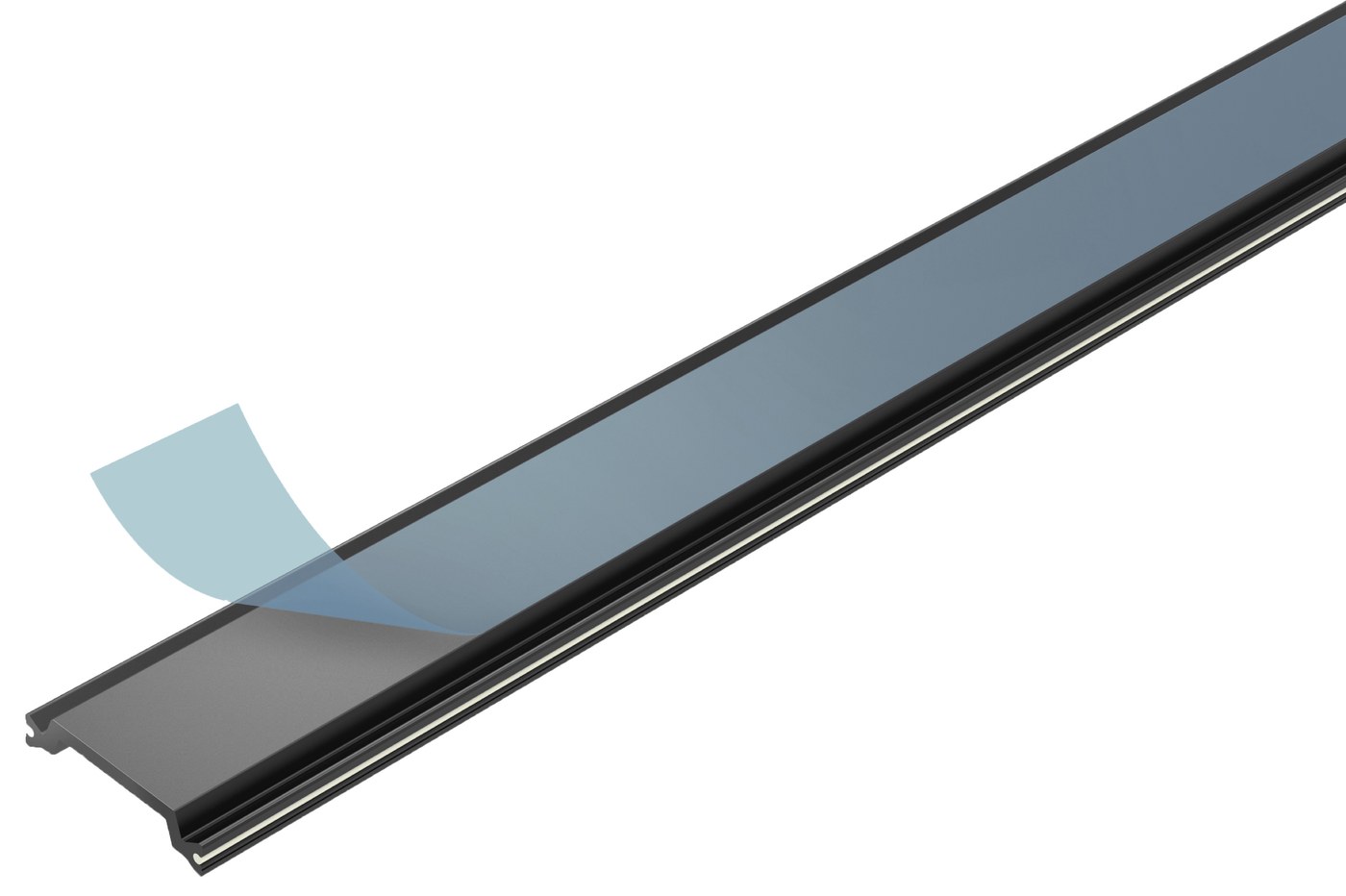
The GrefeTech Technology rarely announces itself.
It works quietly — inside the things we rely on every day. In architecture, the most powerful technology is the kind you never see. But you feel it in the way spaces open, close, protect and connect. At GREFET, system doors and windows are built on that idea.
Every profile.
Every movement.
Every seal.
Movement that feels balanced. Structures that remain stable. Protection that works against wind, rain, heat and noise. Because the true role of technology is simple — to make performance effortless. Doors that glide with precision. Windows that seal with accuracy. Systems that hold their strength without unnecessary weight.
The result is not just a door or a window. It is a system engineered to work in harmony with architecture — reliable, efficient, consistent.
Engineered, not assembled SIX GREFET TECHNOLOGIES

Endurance Tech
Systems are built to sustain over 40,000 opening and closing cycles, with durability engineered to extend as far as one million. A window opened several times a day will still move the way it did on the day it was fitted, decades later.

Acoustic Shield Tech
System configurations are designed to reduce external sound, achieving noise reduction from 37 dB to 52 dB depending on profile and glazing. That range covers everything from a quiet side street to a building facing constant traffic.

Weather Control Tech
Advanced sealing systems resist water penetration, air leakage and wind pressure as one continuous barrier. The performance is proven across both individual units and full façade installations, so a tower behaves like the test sample did.

Extreme Environment Tech
Frames are engineered to withstand demanding climate conditions, holding their performance from −20°C to +80°C over extended durations. That span covers a Himalayan winter and a Terai summer without the frame moving out of tolerance.

Structural Performance Tech
Profiles are engineered for load stability, torsional resistance and long-term alignment. It is the reason a large sliding leaf still runs true years after installation, instead of dropping, binding or needing to be forced at the interlock.

Impact Protection Tech
Reinforced engineering enhances safety, with structures capable of withstanding impact forces from objects dropped at varying heights. It matters most where people gather close to the glass — balconies, stairwells and full-height openings.
WHY GREFET ALUMINIUM
Aluminium is the material of choice for modern architecture — and its importance keeps growing in Nepal, where a building has to handle monsoon rain, dust, strong UV and rising urban noise all within the same year.

Slim sightlines, more daylight
Interlocks from 19 mm and frames from 30 mm keep the visible aluminium to a minimum, so the glass reads as one uninterrupted plane rather than a grid of panels. Post-free 90° corner openings let a room turn a corner in glass alone.
Strength in virgin alloy
Every system is drawn from virgin 6063-T6 aluminium rather than reclaimed stock, which keeps the profile dimensionally stable and high in strength. That consistency is what allows the larger spans and heavier leaves the range is rated to carry.
Sealed against the monsoon
Multi-stage EPDM gasketing, perimeter brushes and integrated drainage channels work together to move water out of the frame and keep it out. The performance is tested to BS EN 1027 water-tightness classifications rather than simply claimed.

Quiet interiors
Glazing cavities take DGU, laminated and security glass from 6 mm to 38 mm, giving acoustic performance up to 52 dB across the range. On a busy Kathmandu street that is the difference between living with the traffic and not hearing it at all.
Security as standard
Multi-point locking, stainless-steel guide rails and rollers built to EN 13126-15 are part of the system rather than an upgrade to specify. Security and smooth operation are engineered together, so neither is traded away for the other.

Finishes that last, upkeep that doesn't
Powder coating in the full RAL range, anodised and wood-effect finishes all stay colour-stable under high UV. Aluminium will not rot, warp, swell or attract termites, so routine cleaning is all the upkeep it asks for — and the frame recycles indefinitely without loss of quality.
GREFET in Nepal
Engineered in Belgium.
Delivered, installed and serviced in Nepal.
Nepal Windoor Industries Pvt. Ltd. is the authorised partner for GREFET aluminium window and door systems in Nepal.
The same team that brought aluplast and GEALAN uPVC systems to projects across the country now fabricates, glazes and installs the full GREFET aluminium range. That means the system arrives as it was engineered to perform: measured on site, fabricated on calibrated machinery, glazed to specification and installed by trained fitters — with warranty and after-sales service handled locally rather than across a border.
- Site survey, technical drawings and system recommendation for your project
- In-house fabrication and glazing to GREFET specification
- Installation by trained teams, with sealing and drainage detailed correctly
- Local warranty support, spares and servicing
Focus on Innovation, Quality and Service
Nepal Windoor is pioneer in manufacturing of Best uPVC Windows and Door systems. Our offerings adopts European Technology with all the raw materials of international quality standards ensuring aesthetic finish and durability. Marking its inception in the year 2021, Nepal Windoor is the new one-stop destination for efficient and world-class quality uPVC windows and doors across the Nepalese market with number of branches spread over Kathmandu, Pokhara, Birgunj and many more cities all over Nepal.

© 2026 - Nepal Windoor . All Rights Reserved.
Coded with by KTM Rush.